
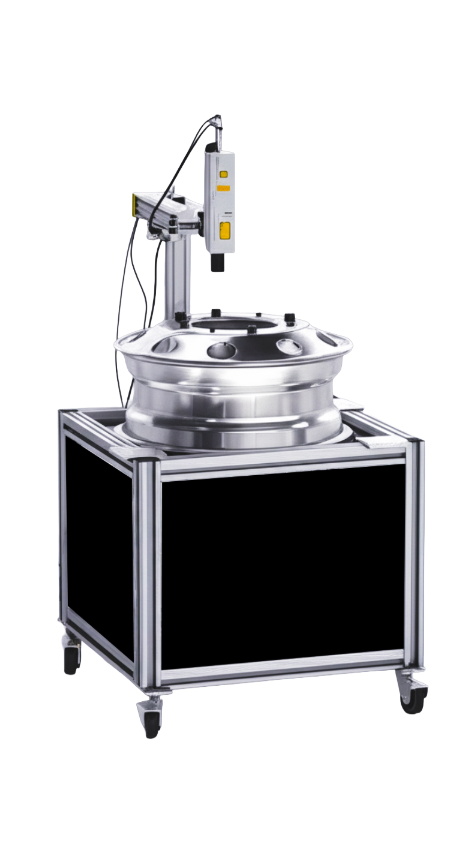
The Signalysis wheel inspection system makes structural testing smarter, faster, and easier, enabling wheels to be tested for quality as they come off the production line. Our Wheel Inspection System is rooted in structural dynamics and derives modal parameters of your wheel.
These parameters are analyzed using principal component analysis and fed into our machine learning model to identify a GO or NOGO condition:
We apply non-destructive, physics-based testing methods to identify manufacturing defects and process drift that traditional inspection techniques often miss. Combining controlled excitation with high-resolution sensing and advanced analytics exposes changes in structural behavior that directly affects real-world wheel performance.
Designed for cast, forged, flow-formed, and machined wheels, Signalysis’ solutions scale from laboratory validation to fully automated, in-line production inspection, supporting both launch-phase process development and high-volume manufacturing.
Automotive and equipment wheels are safety-critical components subjected to extreme operating conditions, including cyclic loads, high rotational speeds, thermal gradients, impacts, and corrosive environments. Even minor defects can reduce fatigue life, induce NVH issues, or lead to catastrophic failure.
At the same time, manufacturers must meet strict SAE, ISO, JWL, VIA, and OEM-specific requirements while maintaining throughput and yield. Quality issues can originate at any stage of the manufacturing process, from raw material handling through finishing operations.
Common issues include:
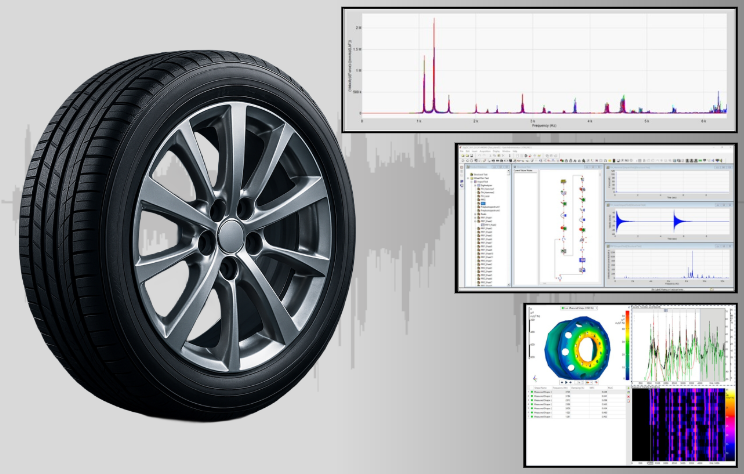
Our quality inspection systems go beyond defect detection to validate that wheels will perform as intended under real-world conditions. Using resonance-based analysis, acoustic response, and dynamic measurements, Signalysis systems provide objective, repeatable insight into both structural integrity and functional behavior, without damaging parts.
Capabilities include:
All results are captured through integrated software tools that generate traceable, auditable data aligned with OEM and regulatory expectations.
For wheel manufacturers and automotive suppliers, early detection of defects is essential to protecting both customers and brand reputation.
By identifying issues before wheels leave the facility, manufacturers can:
In safety-critical applications, consistent delivery of defect-free wheels is not optional, it is a competitive necessity.
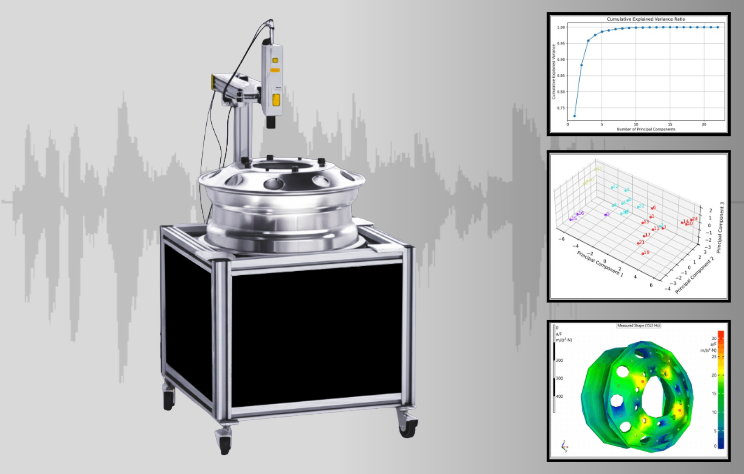
Signalysis combines decades of expertise in non-destructive testing, resonance-based defect detection, and NVH analysis with proven success in manufacturing environments worldwide.
From stand-alone test stations to fully automated, in-line inspection systems, Signalysis delivers scalable solutions supported by robust analytics, reporting, and integration capabilities.
As a trusted partner to automotive manufacturers and suppliers, Signalysis provides the precision, objectivity, and confidence required to ensure every wheel meets the highest standards of quality, safety, and performance, before it ever leaves the production line.

Call 513-528-6164 or use the form below

